
How Much Tooth Is Needed for a Dental Crown?
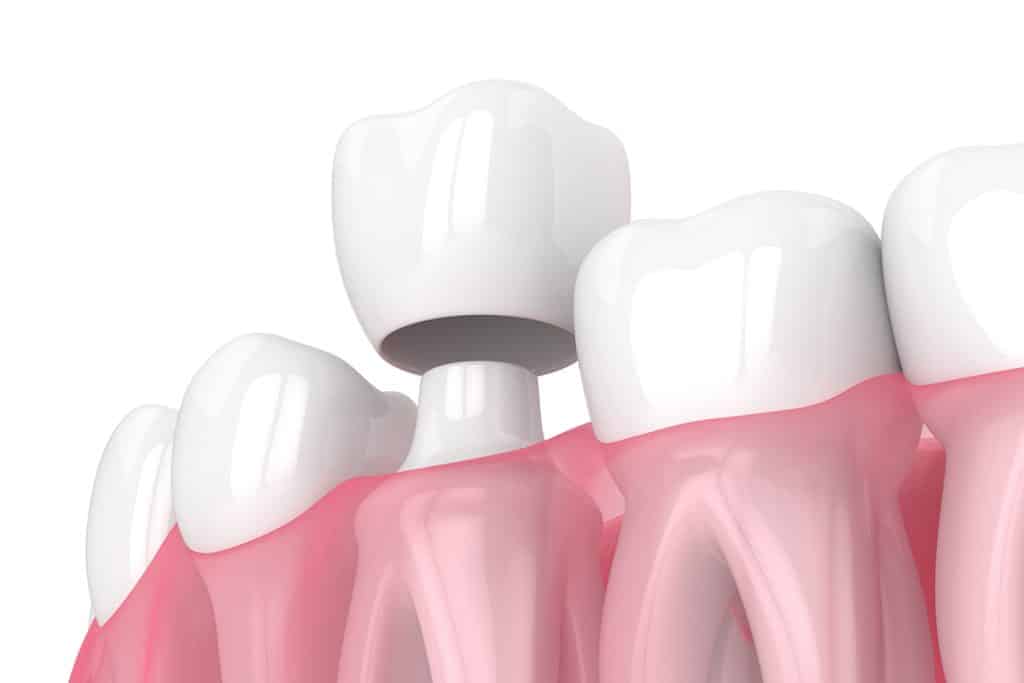
Dental crowns are one of the most reliable solutions we use to restore a damaged or decayed tooth. They work like a protective cap, covering the visible part of the tooth to restore its shape, size, strength, and appearance. But a common question we hear from our patients is: "Do I actually have enough tooth left to hold a crown?"
This is a valid concern. When a tooth has suffered significant trauma or extensive decay, it can be hard to visualize how a restoration will stay in place. At Altitude Dental, we want you to feel confident about your treatment plan. We are here to walk you through exactly how much natural structure is required and what we can do if a tooth needs a little extra help before receiving a crown.
Understanding the Foundation of a Crown
To understand how much tooth structure is needed, it helps to first understand how a dental crown works. Unlike a filling, which sits inside a cavity, a crown hugs the outside of the tooth. It relies on retention and resistance to stay securely in place.
- Retention prevents the crown from being pulled off vertically (like when you are chewing sticky foods).
- Resistance prevents the crown from being dislodged by forces from the side (like grinding or chewing).
For a crown to grip effectively, we generally need at least 2 millimeters of healthy tooth structure extending above the gum line around the entire circumference of the tooth. This creates what we call the "ferrule effect." This band of healthy tooth structure acts like a protective collar, bracing the tooth against fracture and ensuring the crown has a solid foundation to sit on.
If there isn't enough vertical height or if the walls of the tooth are too thin, the crown might not have enough surface area to grip onto, leading to potential failure or the crown coming loose.
What If I Don’t Have Enough Tooth Structure?
It can be worrying to hear that your tooth is severely damaged, but please don't panic. Modern dentistry offers excellent techniques to rebuild a tooth’s foundation so it can successfully support a crown. Even if a tooth is broken down close to the gum line, we often have solutions to save it.
Core Build-Ups
A core build-up is one of the most common procedures we perform alongside crown preparation. If a tooth lacks the necessary height or structure due to a large cavity or fracture, we use filling material - usually a strong composite resin - to "build up" the missing portion.
Think of this like repairing a foundation before putting a roof on a house. We bond the restorative material to the remaining tooth structure to create the ideal shape and dimensions for retaining a crown. This ensures that when we place the final restoration, it sits on a solid, geometric form rather than a compromised, uneven surface.
Post and Core
In cases where a tooth has undergone root canal therapy, there may be very little natural tooth structure left above the gum line. Because the nerve and blood supply have been removed, the tooth can also become more brittle over time.
In these situations, we may place a "post" into one of the root canals to provide an anchor for the core build-up. The post acts like a piece of rebar in concrete—it doesn't strengthen the root itself, but it helps hold the filling material (the core) in place. Once the post and core are established, we can then shape the tooth for a crown just like any other.
Crown Lengthening
Sometimes, a tooth breaks off right at or slightly below the gum line. In these instances, simply adding filling material isn't enough because the crown's margin (edge) would sit too deep under the gums, which causes chronic inflammation and makes it impossible to get a good seal.
To fix this, we might recommend a procedure called crown lengthening. This is a minor surgical procedure where we gently reshape the gum tissue and sometimes the underlying bone to expose more of the natural tooth structure. By lowering the gum line effectively, we "lengthen" the visible part of the tooth, creating that necessary 2 millimeters of ferrule we discussed earlier.
Why We Prioritize Saving Natural Teeth
You might wonder, "If the tooth is so damaged, why not just pull it and put in an implant?"
While dental implants are a fantastic technology, our philosophy is generally to save natural teeth whenever it is predictable and feasible to do so. Your natural tooth has a periodontal ligament that acts as a shock absorber, giving you a natural sensation when biting that implants cannot perfectly replicate.
However, we are always honest with our patients. If a tooth does not have enough solid root structure to support a crown, even with a build-up or lengthening, we will discuss alternative options like bridges or implants. We believe in providing treatments that last, not short-term fixes that will fail in a year or two.
The Process of Getting a Crown at Altitude Dental
We strive to make your visits as comfortable and stress-free as possible. If you need dental crowns in Mountlake Terrace, here is what you can expect during the process.
The Initial Examination
First, we welcome you to our office for a thorough examination. We will take digital X-rays to assess the health of the tooth's root and the surrounding bone. We look for signs of infection and measure the amount of healthy tooth structure remaining. This is when we determine if you need a core build-up or any additional preparatory procedures.
Preparation and Comfort
Once we have a plan, we prioritize your comfort. We use effective local anesthesia to ensure the area is completely numb. If you feel anxious about dental work, please let us know, we are happy to discuss other options to help you relax.
During the preparation, we gently remove any decay and shape the tooth (and build-up material) to fit inside the crown. We remove just enough enamel to ensure the new crown isn't bulky and fits naturally with your bite.
Digital Scan and Same - Day Restorations
After shaping the tooth, we take a digital, 3D scan of the prepared tooth. This serves as the blueprint for the next step, designing your crown to your anatomical specifications. Designing your crown is next. Using the latest technology and with the help of AI and a vast library of similar models we will digitally create your crown.
The Crown - Your Permanent Restoration
After designing your crown we use our mills to craft your permanent crown while you wait. Usually this process takes 30-40 minutes though ultimately that depends on how complex the design is. When your permanent crown is ready, we will check the fit, color, and bite of the new crown meticulously. Once we - and you - are happy with how it looks and feels, we cement it into place.
Using the latest digital modeling and milling technology, this process is designed to give you a same-day permanent crown. Whereas previously we would have to take an impression, create a generic temporary crown, send the impression to the lab, and then have you come back to our office in a week or so to remove the temporary crown and cement the permanent one, now you can walk out with your final crown in the same visit.
How to Care for Your Crowned Tooth
A tooth with a crown still requires care. While the ceramic or metal of the crown cannot get a cavity, the interface where the crown meets the tooth (the margin) is still susceptible to decay.
- Brush twice a day: Use a soft-bristled toothbrush and fluoride toothpaste.
- Floss daily: This is crucial for cleaning the margins between teeth where a toothbrush can't reach.
- Regular Check-ups: Visit us regularly to monitor the integrity of the crown and catch any issues early.
- Avoid Hard Foods: While crowns are strong, chewing on ice or hard candy can chip the porcelain, just like it can chip natural enamel.
When Is a Tooth "Too Far Gone"?
There are limits to what restorative dentistry can achieve. A tooth may be considered non-restorable if:
- Vertical Root Fracture: If the root itself is cracked vertically, the tooth cannot be saved.
- Decay Deep into the Root: If decay extends far below the bone level, even crown lengthening may not provide enough structure.
- Advanced Periodontal Disease: If the bone support around the tooth is lost due to gum disease, the tooth may be too loose to function, regardless of the crown.
In these cases, we will guide you through the next best steps to restore your smile and function, ensuring you never feel left without a solution.
Is a Dental Crown For You?
Determining if there is enough tooth for a crown is a detailed clinical decision. Still, the general rule is that we need a solid foundation of about 2 millimeters of healthy structure above the gum line. Fortunately, with techniques like core build-ups and posts, we can often save teeth that seem severely damaged.
Frequently Asked Questions About Restorative Dentistry
How do I know if my tooth can be saved with a crown instead of needing extraction?
Many patients wonder if a severely damaged tooth can still be restored. In most cases, if there is enough healthy tooth structure above the gum line and the roots are strong, we can often save the tooth with techniques like build-ups or posts. We thoroughly examine each case, using X-rays and our clinical expertise, to determine the best solution for you. Rest assured, our goal is always to preserve your natural tooth whenever possible.
What is the difference between a dental crown and a dental filling?
A dental filling is used to repair a small area of decay or damage by filling in the cavity with restorative material. A dental crown, on the other hand, covers the entire visible portion of the tooth above the gum line. Crowns are typically recommended when the tooth is too weakened or fractured for a filling to provide adequate protection and function. We help you understand which option is best for your situation during your visit.
At Altitude Dental, your long-term oral health is our priority. We invite you to schedule a consultation so we can assess your specific needs and find the best way to restore your smile. We look forward to welcoming you to our friendly office environment soon. Schedule your appointment today!