
How Long Does a Dental Bridge Last?
Welcome to the Altitude Dental blog! We are so glad you are here to learn more about your dental health. One of the most common questions we hear from patients considering restorative dental work is about the longevity of their treatment. If you are exploring options for missing teeth, a dental bridge is an excellent and reliable solution. Naturally, you want to know how long you can expect it to last.
A dental bridge is a significant investment in your health, smile, and quality of life. Understanding its lifespan can help you make an informed decision. The longevity of a dental bridge isn't a single, fixed number; it depends on a variety of factors, including the type of bridge, the materials used, your oral hygiene habits, and your overall health. With proper care, many patients find their dental bridges last for 15 years or even longer.
In this post, we will walk you through everything you need to know about the lifespan of a dental bridge. We'll explore the different types of bridges, the factors that influence their durability, and the best practices for extending their life. Our goal is to provide you with clear, helpful information so you can feel confident and comfortable with your dental care choices.
Understanding the Different Types of Dental Bridges
The type of dental bridge you receive plays a significant role in how long it will last. Each design serves a specific purpose and has its own unique structure and placement method. At our practice, we work closely with you to determine the best option for your individual needs. Here are the most common types of dental bridges we offer.
Traditional Dental Bridges
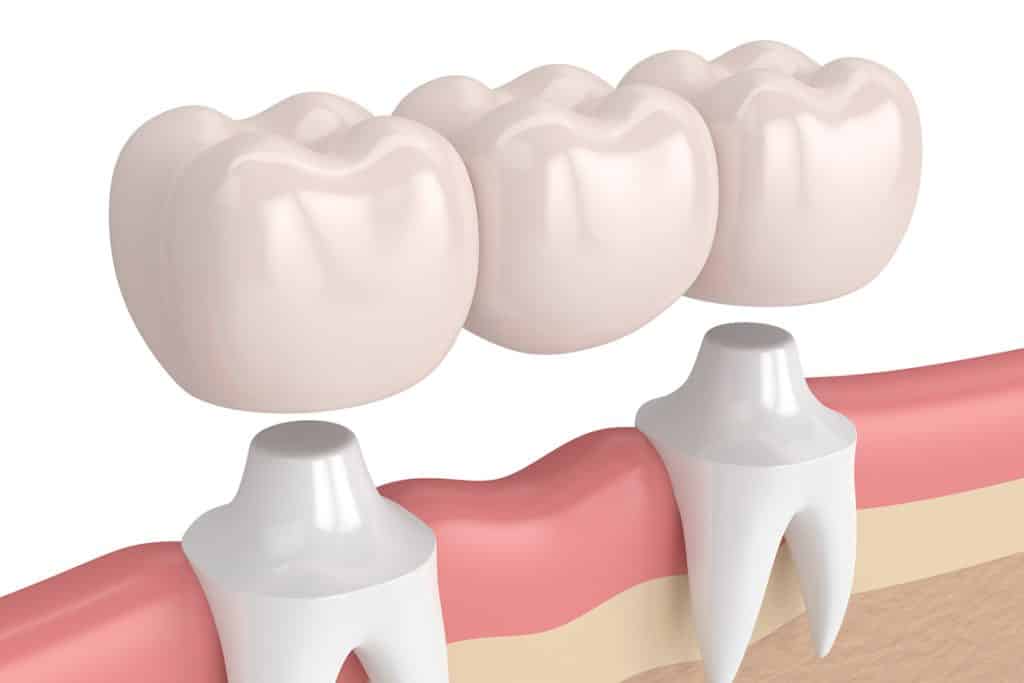
This is the most popular type of dental bridge. A traditional bridge consists of one or more prosthetic teeth, known as pontics, held in place by dental crowns. These crowns are cemented onto the natural teeth, called abutment teeth, on either side of the gap. For a traditional bridge to be an option, you must have healthy, strong teeth adjacent to the missing tooth or teeth.
Traditional bridges are typically made from porcelain fused to metal or all-ceramic materials, making them very strong and durable. With excellent care, a traditional bridge can last for 10 to 15 years, and often much longer. Their strength makes them suitable for replacing molars, which endure significant chewing forces.
Cantilever Bridges
A cantilever bridge is similar to a traditional bridge, but it is only supported by a crown on one side of the gap, rather than on both. This option is used when there is only one natural tooth next to the space where a tooth is missing. Because all the force is placed on a single abutment tooth, this type of bridge is not as common as a traditional bridge.
Cantilever bridges are generally not recommended for the back of the mouth, where chewing forces are greatest. The single-sided support can place too much stress on the abutment tooth, potentially leading to complications like fractures or loosened crowns. Their lifespan can be shorter than that of traditional bridges, but they can still be a viable solution in specific situations with careful planning.
Maryland Bridges
A Maryland bridge, also known as a resin-bonded bridge, offers a more conservative approach. Instead of using crowns to support the pontic, this bridge uses a metal or porcelain framework that is bonded to the back of the adjacent teeth. This means the abutment teeth do not need to be filed down and prepared for crowns, preserving more of their natural structure.
Maryland bridges are most often used to replace missing front teeth, where the biting forces are not as strong. While they are a less invasive option, the bonding agent may not be as durable as the cement used for traditional crowns. Their lifespan is typically around 5 to 10 years, though with meticulous care, they can last longer.
Implant-Supported Bridges
For patients missing several teeth in a row, an implant-supported bridge is often the most stable and long-lasting solution. Instead of being supported by natural teeth, this type of bridge is anchored by dental implants. Implants are small titanium posts that are surgically placed into the jawbone, where they fuse with the bone to act as artificial tooth roots.
Because they are secured directly to the jawbone, implant-supported bridges are exceptionally strong and stable. They do not put any strain on adjacent natural teeth. While the initial process takes longer and involves surgery, the result is a restoration that can last for many decades, or even a lifetime, with proper maintenance.
Factors That Influence the Lifespan of Your Bridge
The longevity of your dental bridge depends on more than just its type. Several key factors contribute to how many years of service you can expect from your restoration. We believe that patient education is crucial for long-term success, and we want you to feel empowered to protect your investment.
Oral Hygiene Habits
This is perhaps the most important factor within your control. Excellent oral hygiene is essential for the longevity of any dental work, including a bridge. The health of the supporting abutment teeth (or implants) is critical. If decay develops in these teeth, it can compromise the entire structure. Plaque and tartar can also accumulate around the bridge and at the gumline, leading to gum disease.
A dedicated daily routine should include:
- Brushing: Brushing at least twice a day with a soft-bristle toothbrush and fluoride toothpaste. Pay special attention to the area where the bridge meets the gums.
- Flossing: Flossing daily is non-negotiable. It is especially important to clean underneath the pontic. We can show you how to use a floss threader, interdental brush, or water flosser to effectively clean this hard-to-reach space.
Diet and Eating Habits
What you eat and how you eat can also affect your bridge. A diet high in sugar and acidic foods can increase your risk of tooth decay, which threatens the abutment teeth. Hard, crunchy, or sticky foods can also pose a risk. Biting down on things like ice, hard candy, or nuts can potentially damage the porcelain or dislodge the bridge. We recommend being mindful of what you chew and trying to avoid using your bridge to bite into very hard items.
Regular Dental Check-ups and Cleanings
Professional dental care is a partnership. Visiting us for regular check-ups and cleanings, typically every six months, allows us to monitor the health of your bridge, the abutment teeth, and your gums. During these appointments, we can identify and address any potential issues, like minor cracks or early signs of decay, before they become serious problems. A professional cleaning also removes tartar buildup that your toothbrush and floss can't handle.
Material Quality
The materials used to create your dental bridge also impact its durability. Bridges can be made from various materials, including all-porcelain (ceramic), porcelain fused to metal (PFM), or all-metal (like gold alloys). All-porcelain bridges offer the best aesthetics, while PFM bridges provide a combination of strength and good looks. We will discuss the pros and cons of each material with you to select the one that best fits your functional needs and cosmetic goals.
Extending the Life of Your Dental Bridge
Taking proactive steps to care for your dental bridge can significantly extend its lifespan, ensuring your smile remains healthy and beautiful for years to come. We are always here to support you with guidance and professional care, but your daily habits make the biggest difference.
Here are our top recommendations for maximizing the longevity of your bridge:
- Commit to a Rigorous Oral Hygiene Routine: This is the cornerstone of bridge care. Brush twice daily, and make flossing around and under the bridge a priority. Using an antiseptic mouthwash can also help reduce bacteria and keep your gums healthy.
- Protect Your Bridge from Excessive Force: Avoid chewing on hard objects like ice, pens, or fingernails. If you play contact sports, wearing a custom-fitted mouthguard is essential to protect your bridge and natural teeth from injury.
- Address Teeth Grinding (Bruxism): Many people grind or clench their teeth, often during sleep. This habit, known as bruxism, can exert immense pressure on your bridge and natural teeth, leading to wear, fractures, or failure. If you suspect you grind your teeth, let us know. We can create a custom nightguard for you to wear while sleeping to protect your smile.
- Maintain a Healthy Diet: A balanced diet that is low in sugar and acids is beneficial for your overall health and your oral health. This helps prevent decay that could compromise the teeth supporting your bridge.
- Don’t Miss Your Dental Appointments: Regular visits allow our team to professionally clean your teeth and inspect your bridge for any signs of wear or problems. Early detection is key to preventing small issues from turning into major complications.
By following these guidelines, you can play an active role in ensuring your dental bridge in Mountlake Terrace provides you with a lasting, functional, and beautiful smile.
Frequently Asked Questions About Dental Bridges
Can a Dental Bridge Be Repaired?
In some cases, yes. If a bridge is chipped or fractured, it may be possible to repair the porcelain. If the damage is extensive or if the underlying structure is compromised, a full replacement may be necessary. If a bridge becomes loose, it is important to see us immediately. We may be able to re-cement it if the bridge and abutment teeth are still healthy.
How Do I Clean Under a Dental Bridge?
Cleaning under the pontic (the artificial tooth) is vital to prevent plaque buildup and gum inflammation. A floss threader is a great tool for this. It’s a small, plastic loop that you thread your floss through, allowing you to guide the floss under the bridge and clean the space between the pontic and your gums. Interdental brushes or water flossers are also effective alternatives.
At Altitude Dental, we are committed to providing high-quality dental care in a comfortable and welcoming environment. Our experienced team works with you to find the best solutions for your oral health, and we are here to support you every step of the way. If you have questions about dental bridges or other restorative options, please feel free to schedule an appointment with us. We look forward to helping you achieve a healthy, confident smile.