
Signs Your Gums May Need Periodontal Care
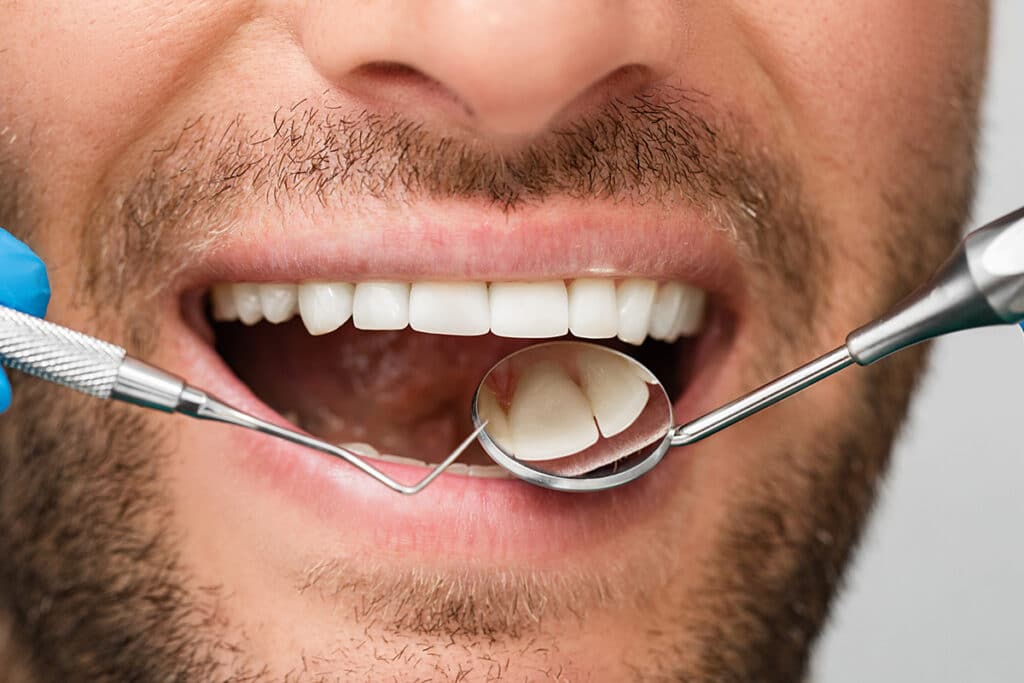
Your gums do more than frame your smile. They hold your teeth in place, protect the roots below the surface, and give you early clues when something needs attention. When gum problems start, they often begin quietly, which means it's easy to overlook the first warning signs until they become harder to reverse.
The good news is that gum disease is very treatable when caught early. Learning to spot the changes in your gums helps you act before a small concern turns into something more serious. Below, we walk through three common signs that your gums may need periodontal care, so you know what to watch for and when it's time to reach out to our team.
Bleeding Gums When You Brush or Floss
If you notice pink in the sink after brushing, or your gums bleed when you floss, that's worth paying attention to. Healthy gums generally don't bleed during regular cleaning. Bleeding is often one of the earliest signs of gingivitis, the first stage of gum disease, which develops when plaque builds up along the gumline and causes inflammation.
At this early stage, the changes are usually reversible. With a professional cleaning and improved habits at home, your gums can return to a healthier state. Left unaddressed, though, inflammation can progress and begin affecting the tissue and bone that support your teeth. If your gums bleed regularly, that's a signal worth mentioning at your next visit so we can take a closer look and help you get ahead of it.
Receding Gums and Sensitive Teeth
Gum recession happens when the gum tissue pulls back from the teeth, exposing more of the tooth or even the root below. You might notice your teeth look longer than they used to, feel a new sensitivity to hot or cold foods, or see small notches near the gumline. These changes can develop slowly, which is why they're often missed until sensitivity becomes hard to ignore.
Recession can be caused by gum disease, brushing too aggressively, or other factors that affect the health of the tissue over time. Because exposed roots are more vulnerable to decay and discomfort, recession is worth evaluating sooner rather than later. If you're seeing signs of it, we can assess what's causing the change and recommend care that protects both your comfort and the long-term health of your teeth.
Persistent Bad Breath or Loose Teeth
Bad breath that lingers even after brushing, or a taste in your mouth that won't go away, can point to bacteria collecting below the gumline. When plaque and bacteria build up in deeper pockets around your teeth, they can produce a persistent odor that regular brushing and mouthwash don't fully resolve. This is different from the temporary bad breath that comes from certain foods, and it's a sign worth taking seriously.
Loose teeth or a change in how your teeth fit together when you bite can indicate a more advanced stage of gum disease. As the supporting bone and tissue break down, teeth can begin to shift or feel unstable. If you notice any looseness in adult teeth, we encourage you to reach out promptly. Early evaluation gives us the best opportunity to slow the progression and preserve the natural teeth you have.
Protecting Your Gums Starts With Paying Attention
Your gums often tell you when something needs care, and knowing the signs puts you in a stronger position to protect your smile. Bleeding, recession, persistent bad breath, and loose teeth are all worth a conversation with a dental professional, especially when they show up together or continue over time. Whether you've noticed one of these changes or simply want peace of mind, our team is here to evaluate your gum health and walk you through your options. If you're looking for periodontics in Mountlake Terrace, WA, we would be glad to help you take the next step toward healthier gums.
Frequently Asked Questions About Periodontics
What is periodontics?
Periodontics is the area of dentistry focused on the health of your gums and the tissue and bone that support your teeth. Periodontal care includes preventing, diagnosing, and treating gum disease, along with helping you maintain healthy gums over the long term. The goal is to keep the foundation of your smile strong and stable.
Is gum disease reversible?
In its earliest stage, gingivitis, gum disease is often reversible with professional cleaning and good care at home. Once it progresses to periodontitis, the damage to bone and tissue can't be undone, but it can be managed with the right treatment. This is why recognizing the early signs and acting quickly makes such a difference.
How is periodontal disease treated?
Treatment depends on how far the disease has progressed. Early-stage care may involve a thorough cleaning and improved daily habits, while more advanced cases can call for deep cleaning below the gumline or other targeted treatments. After examining your gums, we'll explain what we see and recommend an approach based on your specific needs.
How often should I have my gums checked?
For most patients, a checkup and cleaning every six months allows us to monitor your gum health and catch changes early. If you have signs of gum disease or other risk factors, we may recommend more frequent visits. Regular care is one of the simplest ways to protect your gums over time.
Can I prevent gum disease at home?
Daily brushing and flossing go a long way toward keeping your gums healthy by removing the plaque that leads to inflammation. Paired with regular professional cleanings, these habits give your gums strong protection. If you're unsure about your technique, our team is happy to walk you through what works best for you.
At Altitude Dental, we provide preventive, cosmetic, restorative, and periodontal care for patients and families in Mountlake Terrace, WA, and nearby communities. Led by Dr. Corina Marcus, our team is committed to clear communication, gentle treatment, and helping you feel confident about your care. If you have questions about your gum health, we invite you to schedule an appointment.