
What to Expect After Full Mouth Reconstruction: Post-Treatment Care and Healing
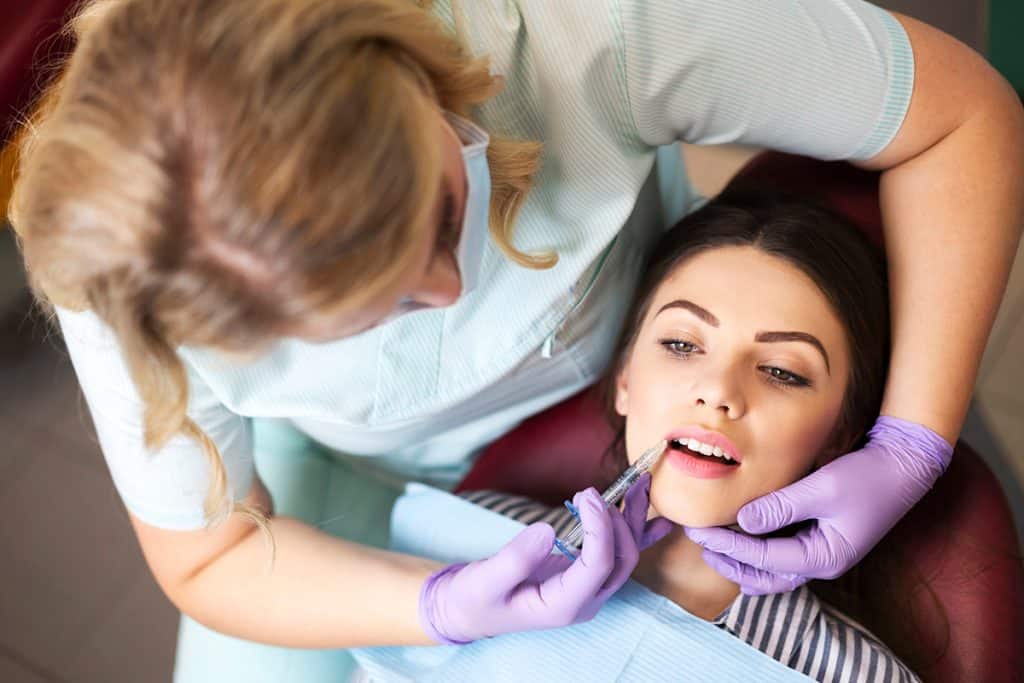
Deciding to move forward with a full mouth reconstruction is a significant step toward reclaiming your smile and improving your overall oral health. It’s a transformative journey that combines multiple restorative and cosmetic dental procedures to address complex dental issues. Once the procedures are complete, your focus will shift to healing and adapting to your newly restored smile. Understanding what comes next is crucial for a smooth and successful recovery. We've created this guide to walk you through the post-treatment phase, helping you feel prepared and confident as you heal.
The recovery period is just as important as the procedures themselves. Proper aftercare ensures that your results are long-lasting and that you can enjoy the full benefits of your investment in your health. From managing initial discomfort to adapting your diet and maintaining your new smile, each step you take plays a vital role. At Altitude Dental, we are committed to supporting you through every stage of your treatment, including providing clear instructions and compassionate care as you navigate the healing process. This article will outline what you can expect, how to manage your recovery, and what long-term care looks like for your beautifully restored smile.
Your Immediate Recovery Period
In the first few days following your full mouth reconstruction, your body will begin its natural healing process. It's completely normal to experience some common post-operative symptoms. You might notice swelling in your gums and face, some bruising, and general sensitivity in the treated areas. The level of discomfort can vary depending on the specific procedures you had, but we will provide you with a detailed plan to manage it effectively. This typically includes recommendations for over-the-counter pain relievers or a prescription if needed. Applying a cold compress to the outside of your cheek for 15-20 minutes at a time during the first 24-48 hours can also be very helpful in reducing swelling and soothing discomfort.
Rest is one of the most important components of your immediate recovery. We advise our patients to take it easy for at least a few days and avoid strenuous physical activity, as this can increase blood flow to the head and potentially worsen swelling or bleeding. You should also stick to a soft-food diet to avoid putting unnecessary pressure on your new restorations and healing tissues. Foods like smoothies, yogurt, mashed potatoes, and soups are excellent choices. Proper hydration is also key, so be sure to drink plenty of water. Following these initial guidelines carefully will set a strong foundation for a comfortable and efficient healing journey.
Adjusting to Your New Smile and Diet
As the initial discomfort subsides, you will enter a phase of adjustment. Your bite may feel different, and it can take some time for your muscles, tongue, and brain to get used to the new shape and position of your teeth. This is a normal part of the process. You might find yourself speaking with a slight lisp or having difficulty pronouncing certain words at first. We encourage you to practice speaking by reading aloud or talking with friends and family; this will help your mouth adapt more quickly. Similarly, chewing can feel unusual initially. Start by reintroducing slightly firmer foods into your diet, but continue to avoid anything overly hard, crunchy, or sticky for several weeks, as your final restorations may still be settling.
Patience is key during this period. Your full mouth reconstruction was a comprehensive process, and your body needs time to fully integrate the changes. We may schedule a follow-up appointment to check your bite and make any minor adjustments needed to ensure optimal comfort and function. It's important to communicate any persistent discomfort or concerns you have with our team. We are here to ensure your new smile not only looks fantastic but also feels completely natural and comfortable. This adjustment period is temporary, and soon enough, you’ll be eating, speaking, and smiling with newfound confidence.
Long-Term Care and Maintenance
Once you have fully healed and adjusted to your new smile, maintaining it becomes the top priority. A full mouth reconstruction is a significant investment in your oral health, and with proper care, your results can last for many years. The foundation of long-term maintenance is an excellent oral hygiene routine. This means brushing your teeth at least twice a day for two minutes with a soft-bristled toothbrush and fluoride toothpaste, and flossing daily. For patients with bridges or dental implants, we may recommend special tools like interdental brushes, floss threaders, or a water flosser to effectively clean around these restorations.
Regular dental check-ups and cleanings are also non-negotiable. We typically recommend that our full mouth reconstruction patients visit us every six months, or sometimes more frequently, depending on their individual needs. These appointments allow us to professionally clean your teeth and restorations, monitor the health of your gums, and check for any signs of wear or potential issues before they become serious problems. By combining a diligent at-home routine with professional care, you can protect your new smile and ensure it remains healthy, functional, and beautiful for a lifetime. Your commitment to full mouth reconstruction after care is the final, essential step in your smile transformation journey.
A Lifetime of Healthy Smiles Ahead
The journey through full mouth reconstruction culminates in a smile that is not only beautiful but also fully functional and healthy. The recovery and adjustment period is a temporary phase that leads to a permanent improvement in your quality of life. By following your post-operative instructions, being patient as you adapt, and committing to long-term maintenance, you are taking the best possible care of your new smile. We are honored to be a part of your transformation and are here to provide guidance and support every step of the way, ensuring your results stand the test of time.
Frequently Asked Questions About Full Mouth Reconstruction
How long does the full recovery take after a full mouth reconstruction?
The total recovery time for a full mouth reconstruction varies widely from person to person, as it depends on the specific combination of procedures performed. The initial healing phase, where discomfort and swelling are most prominent, usually lasts for one to two weeks. However, it can take several months for all the tissues in your mouth to fully heal and for you to completely adjust to your new bite and restorations. We will provide you with a personalized timeline based on your unique treatment plan during your consultation.
Will I need to take time off work after my procedures?
Most patients find it beneficial to take some time off work to rest and recover, especially during the first few days after their procedures. We generally recommend planning for at least two to three days of rest. If your treatment plan involves more extensive surgical procedures, such as multiple dental implants or extractions, you may need to take a week or more off from work. We will discuss the specifics of your recovery with you so you can make the necessary arrangements ahead of time.
At Altitude Dental, we are dedicated to helping you achieve a healthy, beautiful smile for life. Our caring team is here to support you through every stage of your dental journey, from initial consultation to post-treatment care. We proudly serve our community with a warm, welcoming environment and state-of-the-art dental technology. We invite you to become part of our dental family and experience the personalized care you deserve—please schedule an appointment with us today.